

Sinoright Blog
PVC Raw Materials: Characteristics, Applications and Usage S
Polyvinyl Chloride (PVC) is a leading global output general-purpose synthetic polymer material, with easily available raw materials, affordable cost and adjustable performance, widely used in various fields. It is divided into rigid PVC (RPVC/UPVC) and flexible PVC (FPVC). The former has strong rigidity and wear resistance, while the latter is soft and bendable, both adapting to different scenario needs. This article focuses on its core application fields and briefly explains the key precautions for use, providing concise and practical reference for relevant practitioners.

With its performance advantages, PVC is used in various fields such as construction, industry, people's livelihood and medical care. Different types of PVC correspond to different application directions, with strong practicality.
Construction Field
The construction field is the largest application scenario of PVC, accounting for more than 60%, making full use of its rigidity, corrosion resistance and processability, widely used in various components and decorative materials.

- Rigid PVC: Mainly used for UPVC drain pipes, water supply pipes, threading pipes, door and window profiles, floor tiles, wall panels, etc. Among them, PVC-U pipes are widely used to replace traditional metal pipes in residential and municipal projects due to their corrosion resistance, long service life (up to 50 years) and convenient installation; door and window profiles have good heat preservation, sound insulation and waterproof performance, with cost performance far higher than aluminum alloy and wooden doors and windows; floor tiles and wall panels are wear-resistant and easy to clean, suitable for shopping malls, schools, residential buildings and other places.
- Flexible PVC: Used for building sealant strips, waterproof rolls, plastic wallpapers, floor heating pipes, etc. Sealant strips are used for sealing doors, windows and curtain walls; waterproof rolls are used for roof and basement waterproofing; wallpapers are common indoor decoration materials with rich patterns and convenient construction; floor heating pipes have good flexibility and high temperature resistance, adapting to floor heating system laying.

Industrial Field
In the industrial field, PVC is mainly used for corrosion-resistant, insulating and wear-resistant products, adapting to the special needs of various industrial scenarios and reducing production costs.

- Chemical industry: Rigid PVC is used to produce chemical storage tanks, reactors, pipes, valves, etc., which can withstand corrosive media such as hydrochloric acid and sulfuric acid, replacing high-priced materials such as stainless steel; flexible PVC is used for chemical seals and anti-corrosion linings, reducing medium leakage and equipment corrosion.
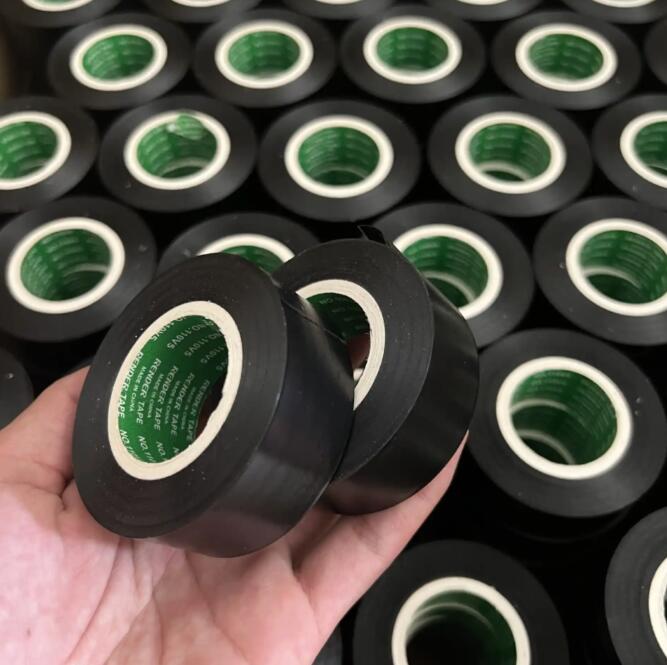
- Electronics and electrical field: Flexible PVC is used for wire and cable insulation layers and sheaths, using its insulation and flexibility to protect cables; rigid PVC is used for electrical casings, junction boxes, etc., with insulation, flame retardancy and easy processing advantages; in addition, PVC insulating tape has strong adhesion and a wide temperature resistance range, widely used in electrical connection sealing.
- Machinery manufacturing field: Used to produce mechanical parts, wear-resistant liners, conveying pipes, etc., extending the service life of mechanical parts and reducing maintenance costs; some modified PVC is also used for lithium battery and charging pile casings, adapting to the needs of the new energy field.
Livelihood and Consumer Field
PVC is closely related to daily life, covering categories such as packaging, daily necessities, cultural and sports goods, with high cost performance and strong practicality, penetrating into all aspects of life.

- Packaging field: Rigid PVC is used for food blister packaging, cosmetics boxes, chemical reagent bottles, etc., transparent and corrosion-resistant, effectively protecting the contents; flexible PVC is used for fresh-keeping film, shrink film, packaging bags, etc., flexible and easy to heat seal, suitable for various product packaging; PVC heat shrinkable film is also used for beverage bottle labels and carton bundling, improving packaging aesthetics and sealing.
- Daily necessities field: Flexible PVC is used for gloves, raincoats, slippers, inflatable toys, etc., soft and waterproof; rigid PVC is used for plastic basins, buckets, hangers, etc., strong and durable; PVC artificial leather, as an affordable substitute for animal leather, is widely used in clothing, handbags and other accessories, with both beauty and practicality.
- Cultural and sports goods field: Used for plastic toys, stationery, yoga mats, plastic runways, etc. Among them, plastic runways and PVC floors are wear-resistant and non-slip, widely used in schools and gyms; they are also used for records, billboards, etc., adapting to cultural publicity needs.
Medical Field
In the medical field, PVC is mainly used for disposable medical supplies, and environmentally friendly and non-toxic additives must be selected to ensure safe use.
- Flexible medical PVC is used for infusion tubes, syringes, catheters, oxygen masks, etc., soft, transparent and with good biocompatibility, adapting to medical operation needs; rigid PVC is used for medical device casings, drug packaging bottles, etc., with strong corrosion resistance and rigidity, protecting devices and drugs from pollution. The type and content of plasticizers must be strictly controlled, and environmentally friendly plasticizers should be preferred.
With the advantages of adjustable performance and high cost performance, PVC raw materials play an irreplaceable role in various fields, among which construction, industry and people's livelihood fields are the most widely used. Standardizing the selection and use of PVC can not only ensure product quality, but also promote its development towards green and sustainable direction, better adapting to the needs of various industries.