

Sinoright Blog
How to Choose Industrial Melamine for Your Production?
Are you confused about melamine raw material procurement? Lots of chemical purchasers and manufacturing factories have common questions: What are the differences between different grades of industrial melamine? Can low-spec melamine replace standard melamine to lower production costs? What industries require high-purity melamine powder? What problems will occur if unqualified melamine is used in melamine tableware, resin and coating production?
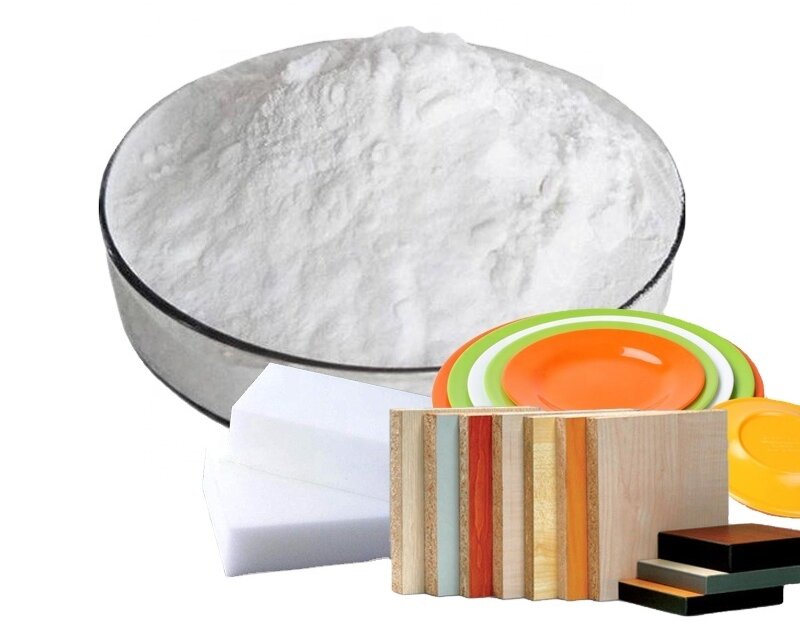
Melamine (CAS: 108-78-1) is a high-value nitrogen-containing heterocyclic organic chemical raw material. It exists as white crystalline powder under normal temperature. As the core monomer of melamine-formaldehyde resin, it is widely used in synthetic materials, daily consumer goods, industrial coatings, paper treatment and flame retardant fields. Industrial melamine is classified by purity index, whiteness, free ammonia content and particle size. Different specifications directly affect resin curing speed, surface finish of finished products, anti-stain performance and product qualification rate. This article sorts out the core indicators, applicable production scenarios and grade selection principles of industrial melamine, helping global manufacturers make scientific raw material decisions.
Core Quality Indicators of Industrial Melamine
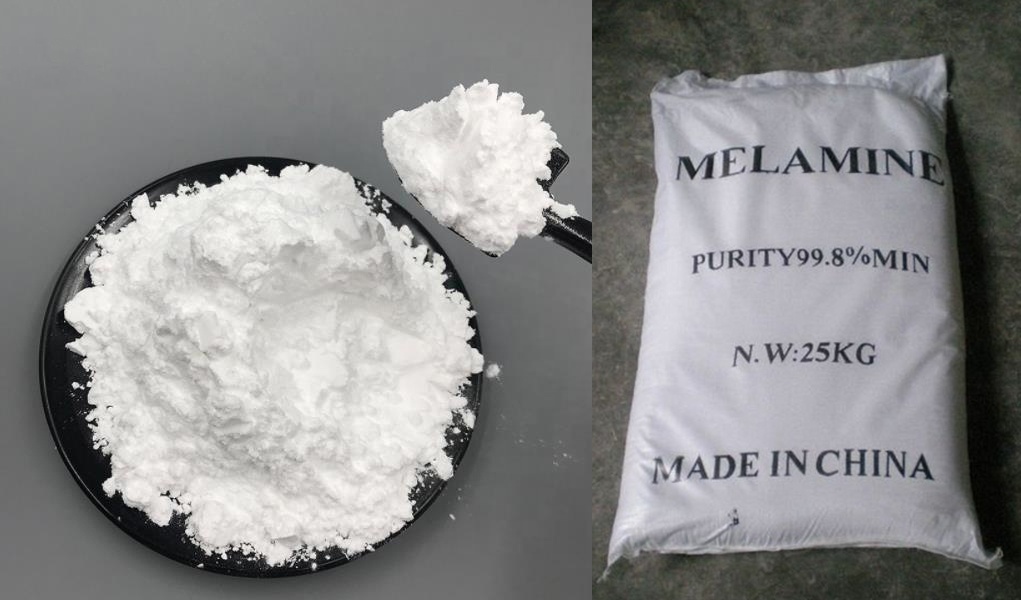
High-quality industrial melamine features purity ≥99.8%, high whiteness, low free ammonia, low moisture content and stable particle distribution. Unqualified melamine often contains excessive urea, biuret and free ammonia impurities, which will cause foaming, surface blistering, peculiar smell and poor weather resistance of finished products.
Main Key Specifications:
- Purity: Standard industrial grade ≥99.8%
- Free ammonia: Strictly controlled for tableware and high-grade resin production
- Moisture: Low moisture prevents agglomeration during storage and transportation
- Whiteness: Determines surface gloss of melamine molded products
When to Use High-Purity Industrial Melamine?
Melamine Tableware & Daily Molding Products
High-purity melamine reacts with formaldehyde to produce melamine formaldehyde molding compound (MFC), the primary raw material for melamine tableware, trays, kitchen utensils and daily plastic supplies. Low free ammonia ensures finished products have smooth surface, strong stain resistance, easy cleaning and stable heat resistance, meeting international food contact safety standards.
Melamine Formaldehyde Resin for Wood Panel Industry
Melamine impregnated resin is used for decorative paper dipping, laminate flooring, furniture surface veneer. The resin formed by qualified melamine has high hardness, scratch resistance, anti-fading and excellent wear resistance, widely applied in particleboard, MDF and high-pressure laminate (HPL) production.
Industrial Coatings, Water-Based Paint & Crosslinking Agent
Melamine acts as a curing cross-linking agent for amino coatings, alkyd coatings and waterborne industrial paints. It improves coating hardness, gloss, weather resistance and anti-corrosion performance, commonly used in automotive parts coating, metal equipment finishing and architectural industrial paint.
Paper & Textile Treatment Agent
Melamine resin serves as wet strength agent for special paper, such as decorative paper, filter paper and wrapping paper, enhancing tensile strength and water resistance of paper products. It can also be used as textile finishing auxiliary to improve wrinkle resistance of fabrics.
Flame Retardant Raw Material
With high nitrogen content, melamine is an important raw material for halogen-free flame retardants. It is applied in plastic, rubber and cable materials to reduce flammability and inhibit smoke generation.
Can Low-Quality Melamine Substitute High-Purity Melamine?
Substitution is not allowed for food-contact products and high-end resin manufacturing.
Melamine with insufficient purity and excessive free ammonia impurities will lead to obvious defects: finished tableware is prone to staining, bubbles and odor; wood veneer resin will blister and peel; industrial coatings suffer poor surface gloss and unstable curing speed. For low-demand industrial auxiliary materials, only qualified melamine within the standard range can be adopted. Blindly choosing low-spec raw materials will bring huge risks of product complaints and batch losses.
Quick Grade Selection Checklist For Industrial Buyers
Choose High-Purity Melamine (≥99.8%, low free ammonia):
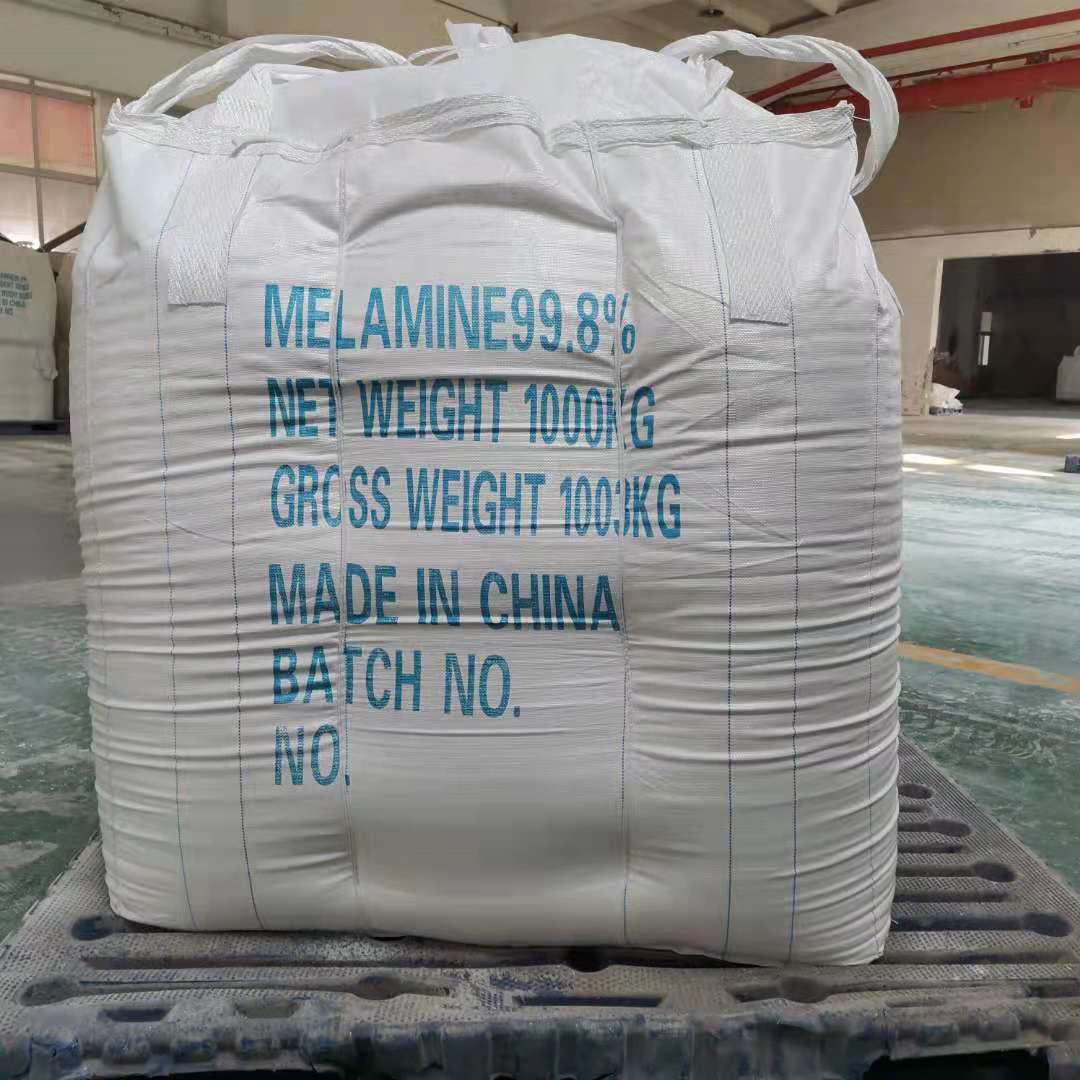
Melamine tableware, food-contact molding products, furniture decorative veneer resin, high-grade industrial amino coatings
General Industrial Melamine (Conforming to national industry standard):
Paper wet strength agent, textile finishing auxiliary, halogen-free flame retardant, common industrial resin
Melamine tableware, food-contact molding products, furniture decorative veneer resin, high-grade industrial amino coatings
Paper wet strength agent, textile finishing auxiliary, halogen-free flame retardant, common industrial resin
Common Procurement FAQs
Q1: What influence does free ammonia content bring to melamine tableware?
Excessive free ammonia will cause finished products to have pungent odor, easily produce bubbles during molding, and reduce anti-stain capability.
Q2: How to prevent melamine powder caking during sea transportation?
Select products with low moisture indicator; keep sealed packaging, avoid high temperature and humid environment in containers.
Q3: Is melamine suitable for outdoor coating production?
Melamine crosslinked coatings own good weather resistance, and are widely used in outdoor metal anti-corrosion paint matched with proper formula design.
Excessive free ammonia will cause finished products to have pungent odor, easily produce bubbles during molding, and reduce anti-stain capability.
Select products with low moisture indicator; keep sealed packaging, avoid high temperature and humid environment in containers.
Melamine crosslinked coatings own good weather resistance, and are widely used in outdoor metal anti-corrosion paint matched with proper formula design.