

Sinoright Blog
Crude vs Refined Naphthalene: Which Grade Suits Your Industr
Are you struggling to select the right naphthalene grade for your chemical production? Many industrial purchasers and chemical manufacturers face the same confusion: what is the essential difference between crude naphthalene and refined naphthalene? Can crude naphthalene replace refined naphthalene to cut costs? Which downstream scenarios require high-purity refined naphthalene?
As a vital coal tar-derived aromatic hydrocarbon intermediate, industrial naphthalene is divided into two core grades: Crude Naphthalene and Refined Naphthalene. Their differences in purity, impurity content and chemical activity directly determine product yield, finished product quality and production cost. To help industrial clients make accurate grade selection, this article explains the characteristics, applicable scenarios and procurement standards of crude and refined naphthalene in a targeted manner.
What Is the Exact Difference Between Crude Naphthalene and Refined Naphthalene?
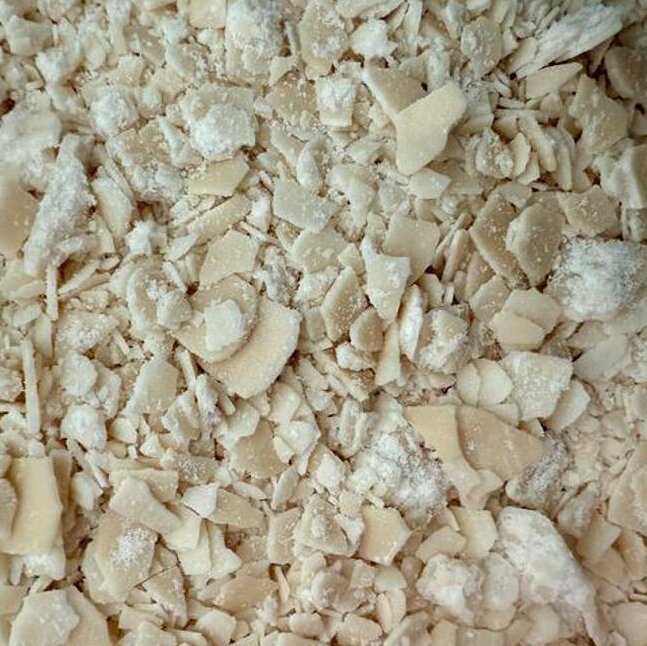
Crude Naphthalene
Crude naphthalene is obtained through direct coal tar distillation, with a conventional industrial purity of 92%–98%. It contains trace impurities including methylnaphthalene, acenaphthene and polycyclic aromatic hydrocarbons. Without deep purification processing, it features high cost performance and stable basic chemical activity, perfectly matching large-scale, low-precision industrial production demands.
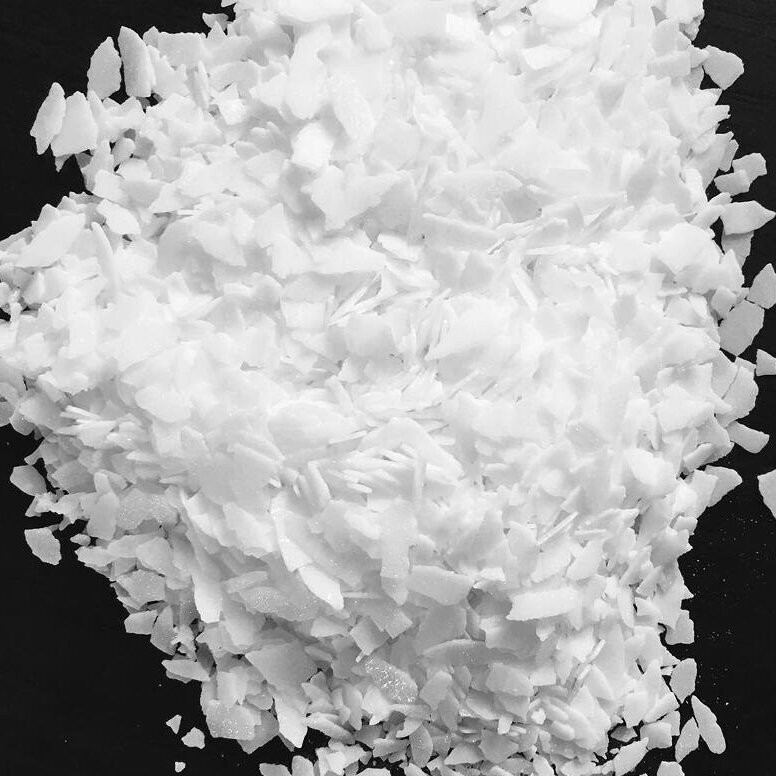
Refined Naphthalene
Refined naphthalene is deeply processed on the basis of crude naphthalene via secondary crystallization and hydrogenation impurity removal, reaching a purity of 99% or higher. It removes most heavy hydrocarbons, sulfur and nitrogen impurities, delivering stable molecular activity, high synthesis efficiency and extremely low side reaction rate. It is the standard raw material for high-end fine chemical manufacturing.
When to Choose Crude Naphthalene? Core Industrial Applications
If your production focuses on large-volume industrial auxiliary manufacturing with loose impurity requirements, crude naphthalene is your most cost-effective choice.
Naphthalene-Based Concrete Superplasticizer Production
This is the largest consumption scenario of crude naphthalene. Through sulfonation and polycondensation, crude naphthalene synthesizes β-naphthalene sulfonate formaldehyde condensate, a high-efficiency water-reducing agent widely used in construction engineering. It effectively improves concrete fluidity and compression resistance, fully meeting the mass production demands of municipal engineering, commercial buildings and precast components.
Basic Pesticide and Industrial Mildew-Proof Intermediates
With moderate chemical activity, crude naphthalene is suitable for the synthesis of general insecticides, fungicides and industrial mildew-proof auxiliaries. It stably meets the formulation and production standards of basic agrochemical products and industrial material protective agents.
Carbon Material Impregnating Agent & Industrial Solvent
Crude naphthalene works as an ideal impregnating agent for carbon and graphite products, enhancing material density and high-temperature resistance. It also serves as a low-cost aromatic industrial solvent for conventional industrial cleaning and material dilution.
When to Choose Refined Naphthalene? High-End Fine Chemical Scenarios
If your production involves precision synthesis, high-standard finished products and strict impurity control, refined naphthalene is an essential raw material that cannot be replaced.
High-Purity Phthalic Anhydride (PA) Manufacturing
Refined naphthalene is the premium raw material for catalytic oxidation production of phthalic anhydride. Its high purity ensures high reaction conversion rate and few by-products. The produced phthalic anhydride is widely used in unsaturated polyester resin, alkyd resin, industrial coating and plasticizer industries, supporting high-standard industrial chain production.
High-Grade Dye and Pigment Intermediate Synthesis
High-purity refined naphthalene is the core precursor of H-acid, J-acid, Gamma acid and other key dye intermediates. It synthesizes naphthol and naphthylamine products for reactive dyes, disperse dyes and textile color fixing agents. Ultra-low impurities ensure stable color fastness and pure color tone of high-end printing and dyeing products.
High-Performance Rubber Auxiliary Production
Refined naphthalene is used to synthesize rubber antioxidants and polymerization dispersants, effectively improving the heat resistance, aging resistance and tensile stability of rubber materials. It is widely applied in automotive tires and industrial rubber parts manufacturing.
Pharmaceutical and Fine Chemical Intermediates
With ultra-low impurity indicators, refined naphthalene meets strict production specifications for pharmaceutical intermediates, spice precursors and high-purity organic reagents, supporting high-end fine chemical production.
Can Crude Naphthalene Replace Refined Naphthalene in Production?
Short answer: Not replaceable in high-precision scenarios.
Impurities contained in crude naphthalene will trigger chemical side reactions during precision synthesis, resulting in unstable product quality, low yield, impure color and excessive residual impurities. For phthalic anhydride refinement, high-end dye production and pharmaceutical chemical synthesis, only qualified refined naphthalene can guarantee stable and compliant finished products.
For large-batch general industrial auxiliary production, crude naphthalene can maximize cost efficiency while meeting production standards.
Quick Grade Selection Guide for Industrial Buyers
Choose Crude Naphthalene if you produce: Concrete water reducers, basic pesticides, carbon material auxiliaries, general industrial solvents
Choose Refined Naphthalene if you produce: Industrial phthalic anhydride, high-end dye intermediates, rubber anti-aging agents, pharmaceutical and fine chemical products