

Sinoright Blog
Adipic Acid: The Cornerstone of Modern Industrial Polymers
Adipic Acid is a linear, saturated dicarboxylic acid characterized by two carboxyl (-COOH) groups positioned at either end of a six-carbon alkane chain. This symmetrical structure imparts a unique set of physical and chemical properties that make it ideal for polymerization and industrial synthesis:
- Physical Form: A white, odorless crystalline solid with a melting point of 152–154°C and a molecular weight of 146.14 g/mol.
- Solubility: Slightly soluble in water (1.44g/100mL at 15°C) but readily soluble in polar organic solvents like ethanol, acetone, and ether.
- Chemical Reactivity: Exhibits classic dicarboxylic acid behavior, readily undergoing esterification, amidation, and polycondensation reactions. Its two reactive carboxyl groups enable precise polymerization with diamines and diols, forming long-chain polyamides and polyesters with exceptional structural integrity.
- Stability: Thermally stable under standard conditions, ensuring consistent performance across a wide range of manufacturing temperatures and environments.
This balanced profile of stability and reactivity makes Adipic Acid a preferred monomer for creating polymers with superior mechanical strength, thermal resistance, and chemical durability.
Core Applications: Powering Key Global Industries
Adipic Acid's impact is felt across every major industrial sector, with its applications centered on polymer synthesis and high-value chemical intermediates.
1. Nylon 66 (Polyamide) – The Primary Market (≈85% of Demand)
The largest and most critical application is the polycondensation with hexamethylenediamine to form Nylon 66.
- Textiles: High-strength fibers for apparel, carpets, and industrial fabrics, offering exceptional durability and resistance to abrasion.
- Engineering Plastics: Used in automotive components (engine parts, chassis), electrical connectors, and mechanical gears due to its high heat resistance, mechanical strength, and dimensional stability.
- Industrial Yarns: For tire cords, conveyor belts, and hoses, providing essential reinforcement.
2. Polyurethanes (PU)
A key raw material for polyester polyols, which react with isocyanates to form polyurethanes.
- Applications: Flexible foam (furniture, bedding), rigid foam (insulation for construction and appliances), and high-performance elastomers (sealants, adhesives, synthetic leather).
3. Other High-Value Applications
- Plasticizers: Esters of Adipic Acid (e.g., DOA) are used as non-phthalate, low-temperature plasticizers for PVC, enhancing flexibility and durability.
- Food & Pharma: Approved as a food additive (E355) for pH regulation and as an excipient in pharmaceutical formulations.
- Advanced Materials: A critical monomer for unsaturated polyester resins, biodegradable polymers (e.g., PBAT), and high-performance lubricants.
- Electronics: High-purity grades are used in electronic chemicals and epoxy curing agents for semiconductor packaging.
Adipic Acid is produced in distinct grades to meet the stringent requirements of diverse industries:
- Fiber Grade (High Purity): Purity ≥99.8%, ultra-low trace metals (<0.2ppm Fe). Designed for Nylon 66 spinning, ensuring flawless fiber quality.
- Industrial Grade: Purity ≥99.5%, ideal for polyurethane, plasticizers, and general chemical synthesis.
- Food/Pharma Grade: Complies with FCC, USP, and EP standards, suitable for human consumption and medical applications.
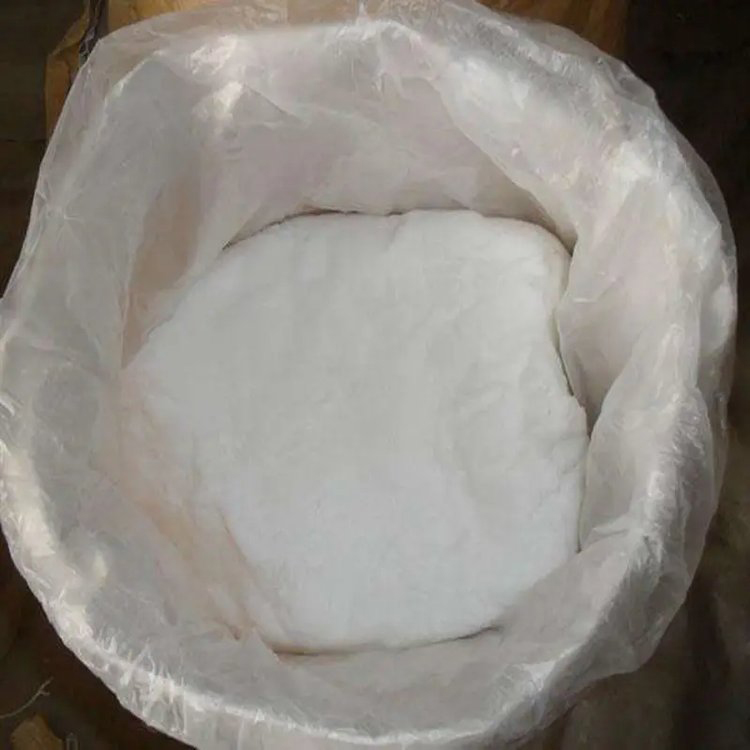
Adipic Acid is far more than a chemical intermediate—it is a strategic enabler of modern industry. Its legacy is etched in the durable textiles we wear, the safe cars we drive, the energy-efficient buildings we inhabit, and the advanced technologies that power our world. As the global economy accelerates toward sustainability, Adipic Acid continues to evolve, leading the charge in low-carbon manufacturing and high-performance material science.
At the forefront of this evolution, we remain committed to delivering high-purity, low-carbon Adipic Acid solutions, partnering with global industries to engineer a stronger, more sustainable future—one polymer chain at a time.