

Sinoright Blog
In-depth Analysis of SLES: Hot Questions, Raw Material Price
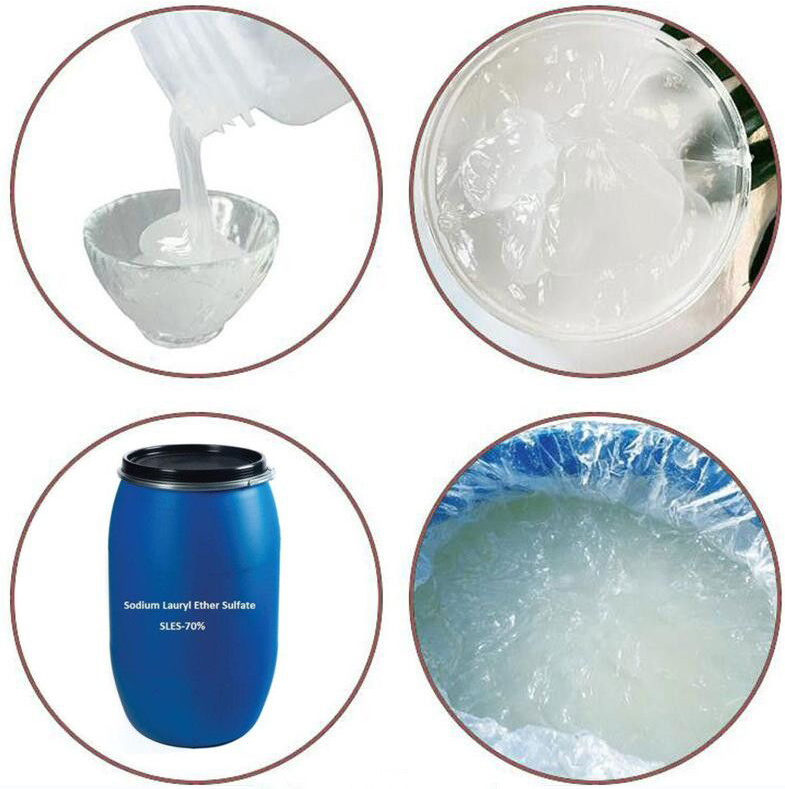
SLES, full name Sodium Lauryl Ether Sulfate, is one of the most widely used anionic surfactants across the globe. It features outstanding foaming power, detergency, emulsifying capacity and relatively mild irritation, so it has become an essential raw material in daily chemicals. It is extensively applied in shampoo, body wash, laundry detergent, dish soap, industrial cleaning agents and textile auxiliary products.
Commercially available SLES is mainly supplied in the form of 70% active substance paste, while low-concentration liquid and low-residue customized grades are also available in the market. Its core production raw materials are lauryl alcohol and ethylene oxide. The complete production process includes ethoxylation, sulfonation and neutralization. At present, Asia-Pacific region, led by China, is the world’s largest production and consumption base for SLES, with sufficient overall domestic supply.
SLES vs SLS: Core Differences
SLS (Sodium Lauryl Sulfate) and SLES are both common anionic surfactants, but they differ greatly in molecular structure, irritation and application performance.
Molecularly, SLES is obtained by adding ethylene oxide groups to the molecular chain of SLS. The added ethoxy groups effectively reduce the skin and mucous membrane irritation. In terms of performance, SLS has stronger detergency and lower cost, yet its irritation is more obvious; SLES is milder, with richer and finer foam, which makes it more suitable for long-term contact personal care products such as hair and body care.
In practical production and formulation, manufacturers will select materials according to product positioning: SLS is more often used in heavy-duty industrial detergents and low-cost cleaning products, while SLES is the mainstream choice for mid-to-high-end daily chemical and personal care products.
SLES Safety & 1,4-Dioxane Risk
1,4-dioxane is a by-product generated during the ethoxylation reaction of SLES, which is the biggest safety concern for global consumers and formulators. It should be clarified that 1,4-dioxane is not artificially added raw material, but an inevitable trace by-product in the traditional synthesis process.
Regulators around the world have set clear limit standards for 1,4-dioxane in daily chemicals. Modern mainstream manufacturers have adopted optimized production processes and post-purification technologies to control the residual content far below the regulatory threshold. Qualified commercial SLES products on the market pose no safety risk under normal usage.
Consumers do not need to over-worry about qualified SLES-containing products. Only unqualified low-end raw materials with excessive residues may bring potential hazards.
Analysis on Current SLES Raw Material Price Hike
Recently, the overall price of SLES raw materials has continued to rise, driven by multiple factors along the industrial chain.
First of all, the upstream basic chemical prices keep fluctuating upward. Lauryl alcohol is derived from palm kernel oil and coconut oil, affected by international agricultural planting, weather and export logistics, the price of vegetable oil raw materials stays at a high level. Meanwhile, ethylene oxide, another core raw material of SLES, is closely linked to crude oil and petrochemical products. The fluctuation of international energy prices directly pushes up the production cost of ethylene oxide.
Secondly, energy cost and factory operating cost increase. Power, steam and fuel costs in major production areas have risen steadily, further raising the comprehensive manufacturing cost of SLES. In addition, stricter environmental protection policies and regular equipment maintenance & production restrictions in chemical parks also lead to tight spot supply, which provides support for price increases.
From the supply and demand side, downstream daily chemical, household cleaning and industrial cleaning industries maintain stable rigid demand. When supply is slightly tight, prices will respond quickly and go up.
Future Price Trend Forecast
In the short term (1–3 months), SLES prices will maintain a strong volatile trend. Upstream oil and petrochemical raw materials lack obvious downward driving force, downstream rigid demand will not shrink sharply, so the price will stay at a high level with narrow fluctuations.
In the medium term (3–6 months), with the arrival of new supply of vegetable oil raw materials and the release of overhauled production capacity of major SLES manufacturers, the market supply will gradually recover. The price growth will slow down, and the overall market will turn to stable operation.
In the long run, affected by the long-term high cost of energy and basic chemicals, SLES comprehensive cost support is solid. The price will not have a sharp decline, and will generally present a mild upward trend in the whole year.