

Sinoright Blog
Is Benzoic Acid Safe? Everything You Need to Know About Its
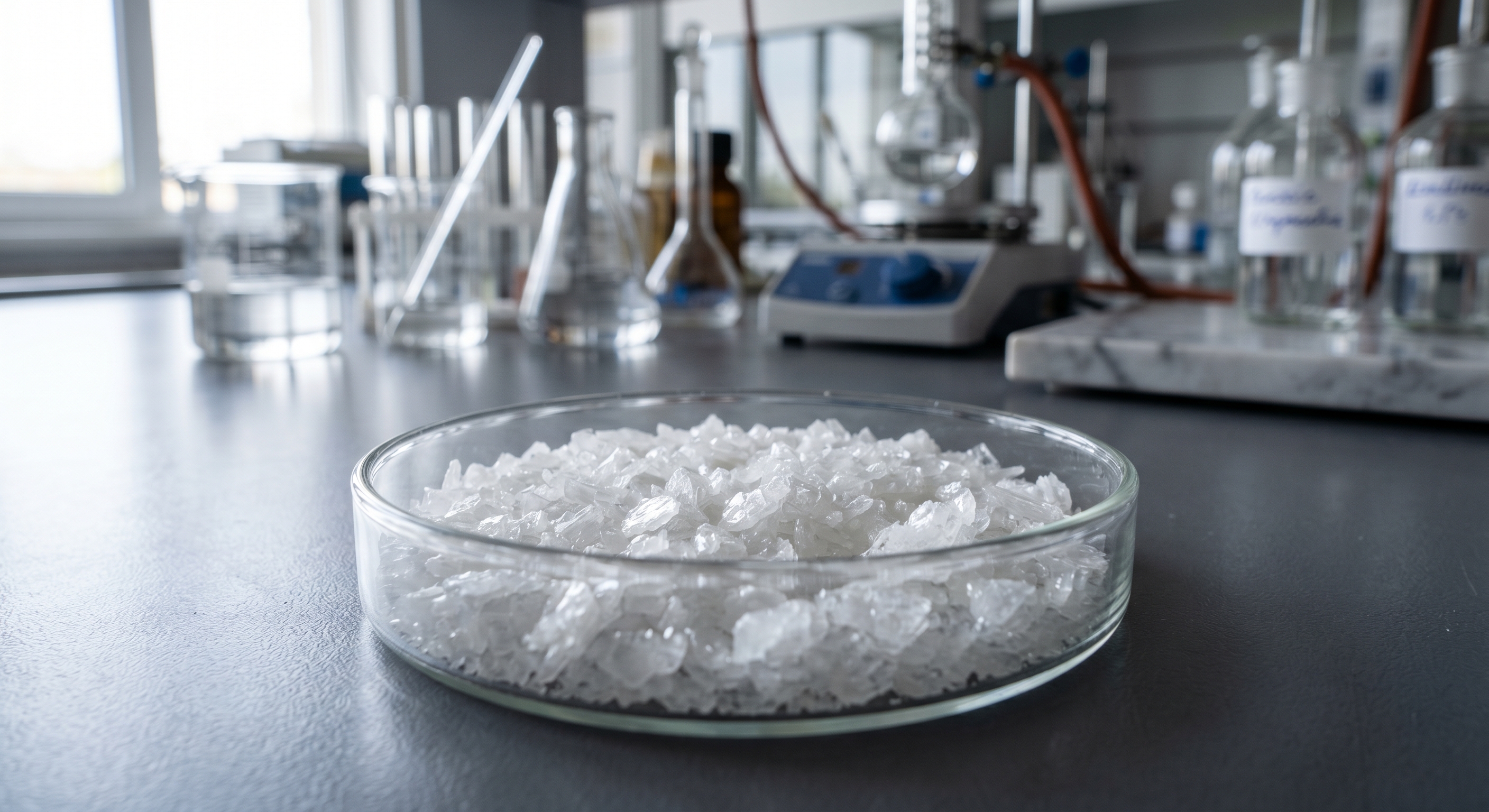
What Exactly Is Benzoic Acid?
Benzoic acid (C₇H₆O₂, CAS 65-85-0) is a white, crystalline organic compound belonging to the aromatic carboxylic acid family. Despite its chemical-sounding name, benzoic acid is not purely a laboratory creation. It occurs naturally in cranberries, plums, prunes, cinnamon, cloves, and many other fruits, berries, and spices. Gum benzoin — the resin from which benzoic acid was first isolated in the 16th century — contains roughly 20% benzoic acid by weight.
Today, commercial benzoic acid is manufactured through the catalytic oxidation of toluene, a process that produces a consistent, high-purity product at industrial scale.
The Verdict From Global Regulators: GRAS and Approved
Let's start with the facts that matter most.
The U.S. Food and Drug Administration (FDA) classifies benzoic acid and sodium benzoate as Generally Recognized As Safe (GRAS) for use in food. The European Union authorizes benzoic acid as food additive E210 and sodium benzoate as E211. The Joint FAO/WHO Expert Committee on Food Additives (JECFA) has set an acceptable daily intake (ADI) of 5 mg per kilogram of body weight — meaning a 70 kg adult could safely consume 350 mg every day over a lifetime without adverse health effects.
China's national food safety standard (GB 2760) also permits the use of benzoic acid and sodium benzoate in a defined range of food categories, including carbonated beverages, fruit juices, soy sauce, vinegar, jams, and preserved fruits, with specific maximum usage levels for each.
These are not casual endorsements. They are based on decades of toxicological studies, metabolic research, and real-world safety monitoring.
How Your Body Handles Benzoic Acid
One reason regulators are confident about its safety is that the human body has an efficient system for processing benzoic acid. Once ingested, benzoic acid is rapidly absorbed in the gastrointestinal tract, conjugated with glycine in the liver, and excreted through urine as hippuric acid. This metabolic pathway is fast — most benzoic acid is cleared from the body within 24 hours — and well understood.
This is the same metabolic route your body uses when you eat a handful of cranberries. The benzoic acid in a bottle of soda and the benzoic acid in a bowl of berries are chemically identical, and your liver treats them exactly the same way.
Benzoic Acid in Cosmetics and Skincare: Is It Safe on Your Skin?
Beyond food, benzoic acid is widely used in the cosmetics and personal care industry as a preservative and pH adjuster. You'll find it in moisturizers, lotions, sunscreens, toothpaste, mouthwash, shampoos, and facial cleansers.
The Cosmetic Ingredient Review (CIR) Expert Panel — an independent scientific body that evaluates the safety of cosmetic ingredients — has reviewed benzoic acid, sodium benzoate, and related compounds and concluded that they are safe for use in cosmetic products at current concentration levels. No significant adverse effects were observed in dermal irritation or sensitization studies.
For consumers with particularly sensitive skin or known allergies to specific preservatives, patch testing is always a reasonable precaution — but this applies to virtually any cosmetic ingredient, not uniquely to benzoic acid.
Benzoic Acid in Medicine: A Long Track Record
Benzoic acid has been used in pharmaceutical applications for over a century. Whitfield's ointment — a combination of benzoic acid and salicylic acid — remains a widely used topical treatment for fungal skin infections such as athlete's foot and ringworm. Benzoic acid also appears as an excipient in various oral and topical pharmaceutical formulations.
In veterinary medicine, sodium benzoate is used as part of treatment protocols for certain metabolic conditions. Its well-characterized safety profile and predictable metabolism make it a reliable ingredient in both human and animal health products.
Industrial Applications: Where Safety Means Something Different
In industrial settings, benzoic acid safety is primarily an occupational health and handling consideration rather than a consumer exposure issue. Industrial grade benzoic acid (purity ≥99.0%) is used as:
- A precursor for plasticizers such as glycol dibenzoate in the PVC industry
- A modifying agent for alkyd resins and polyamide resins in paints and coatings
- A intermediate in dye manufacturing and textile mordanting
- A building block for agrochemical synthesis including herbicides and fungicides
- A corrosion inhibitor for steel equipment and metalworking fluids
Standard industrial hygiene practices apply: avoid prolonged inhalation of dust, wear appropriate PPE, and store separately from strong oxidizers and alkalis. Benzoic acid has a relatively low acute toxicity (LD50 oral, rat: 1,700 mg/kg), and its GHS classification reflects mild skin and eye irritation potential rather than serious systemic hazard.
Benzoic acid is one of the most extensively studied and widely regulated chemical compounds in commercial use. Every major food safety authority in the world has reviewed its toxicology and approved it within defined limits. Your body metabolizes it quickly and efficiently. The cosmetics industry uses it safely. The pharmaceutical world has relied on it for generations.
Is benzoic acid safe? The global scientific consensus, backed by decades of research, says yes — when sourced from a reliable supplier, used within established guidelines, and manufactured under proper quality control.