

Sinoright Blog
How to Choose Soybean Lecithin?
Friends who purchase industrial raw materials should be familiar with soy lecithin. But when it comes to product selection, many people may find it difficult: what is the difference between food grade and feed grade? Which should be used for liquid or powder? Is it necessarily good if the PC content is high? Choosing the wrong one can result in unstable emulsification and poor taste of the finished product, or in severe cases, failure to pass testing and the entire batch of goods being scrapped. Today, let's discuss the grade, form, and industry combinations of soy lecithin in one go.
Soy lecithin (CAS 8002-43-5, E322) is a natural emulsifier extracted from the by-products of soybean oil refining. It can emulsify, disperse, wet, and also has antioxidant and nutritional properties. According to safety standards, food grade and feed grade are classified, liquid and powder are classified by form, and food grade is further classified according to PC (phosphatidylcholine) content. Choosing the right one ensures product quality and reduces procurement costs.
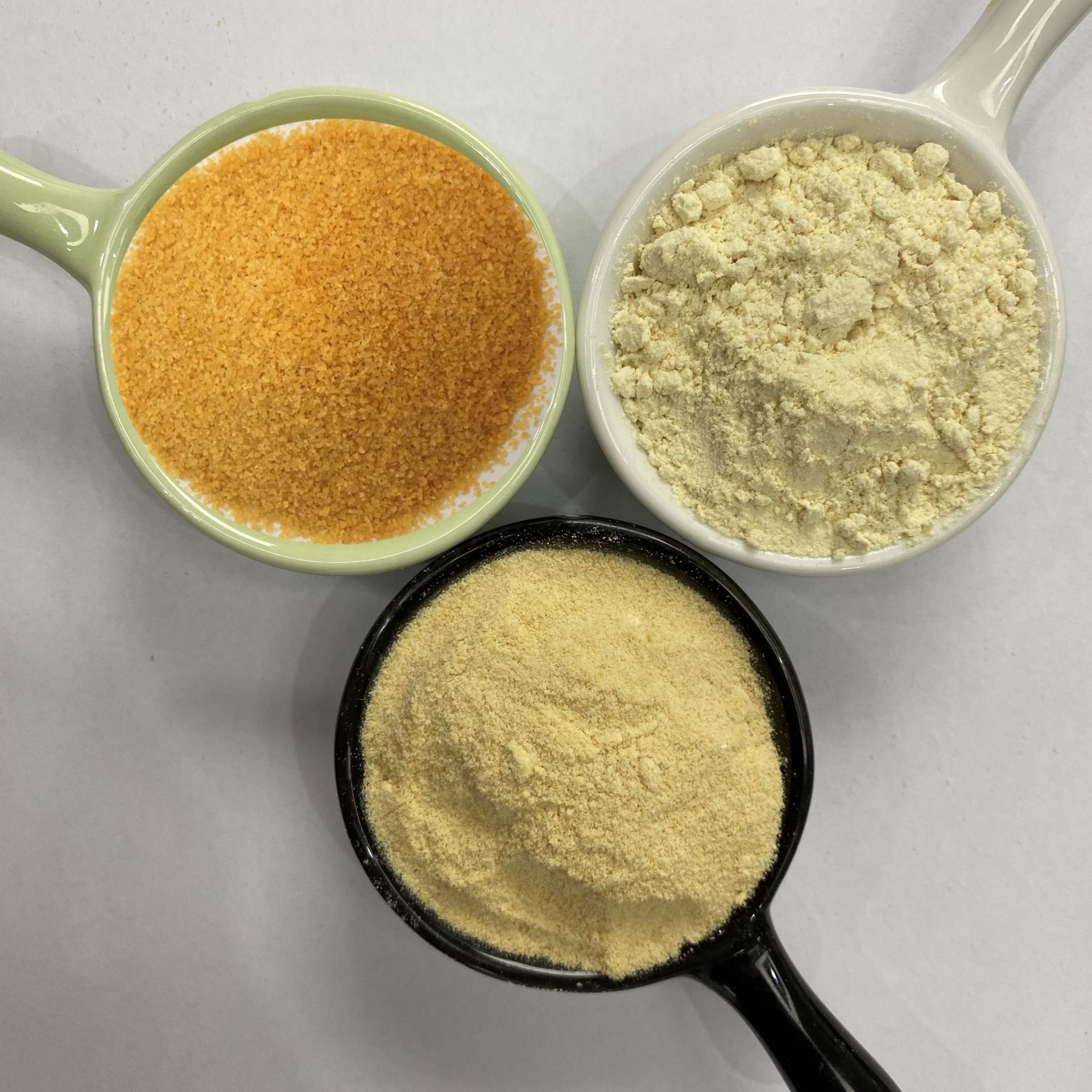
What Is the Difference Between Food Grade and Feed Grade?
Food Grade Soy Lecithin
Produced according to the safety standards of food additives, heavy metals and microorganisms can be controlled, phospholipid components are stable, natural odor, good emulsification effect, high safety, and can directly contact food for human consumption. There are two types of food grade products: regular standard products and high-purity products with high PC content. Regular products are sufficient for ordinary food processing, while high-purity products are necessary for high-end nutrition and pharmaceutical production.
Feed Grade Soy Lecithin
Produced according to the specifications of feed additives, the requirements for impurities and odors are not so strict, and the focus is on emulsification performance and nutritional value. Adding it to feed can improve palatability, help animals absorb fat, and reduce breeding costs. It is the mainstream choice for large-scale breeding and feed factories, with high cost-effectiveness. But remember one thing: feed grade must never be used in food that people eat.
Liquid or Powder?
We mainly produce two forms, each with its own applicable scenarios:
Liquid Soy Lecithin
Viscous liquids are easy to add and mix in liquid phase systems, with stable emulsification and affordable prices, making them the most commonly used conventional form. For liquid food, feed mixtures, and industrial formulas with mixing conditions, choosing liquid is the right choice.
Powder Soy Lecithin
The powder made by spray drying has good fluidity, convenient weighing, easy storage and fast dispersion. Solid powder formula, high-end food premix, and scenarios that require precise addition, using powder is more convenient, easy to operate, and has a longer shelf life than liquid.
How to Integrate Different Industries?
In actual production, both safety grade and operation mode need to be taken into account, and the requirements vary from industry to industry.
Food and Beverage (Only Food Grade Can Be Used)
Baking, chocolate, candy: food grade liquid/powder
Reduce viscosity, make the dough softer, prevent chocolate cocoa butter from frosting, improve taste, and extend shelf life. Large scale continuous production of liquids and precise batching of powders.
Beverages, plant-based beverages, dairy products: food grade powders/refined liquids
Stabilize the oil-water system, without layering or sedimentation, resulting in a smoother taste. It is recommended to upgrade high-end beverages and baby products to high-purity grade for better safety and security.
Margarine, edible oil, seasoning sauce: food grade liquid
Emulsification is more stable, without oil-water separation, and has better texture and processing performance.
Feed Breeding (Only Feed Grade Can Be Used)
Livestock, poultry, aquatic products, and pet feed: feed grade liquid/powder
Improve palatability, aid in fat and nutrient absorption, and reduce feed to meat ratio. It is more convenient to use liquid for large-scale feed mixing lines, powder for premix and small batch formula adjustment.
Daily Chemicals and Cosmetics
Skin care products, hair care products and bath products: food grade/high-purity powder
Natural emulsified moisturizing ingredients, good skin feel, stable lotion system, and compatible with other raw materials.
Natural emulsified moisturizing ingredients, good skin feel, stable lotion system, and compatible with other raw materials.
Industrial cleaning products: feed grade/industrial grade liquids
Strong dispersibility and solubilization ability, with high cost-effectiveness for industrial daily chemical formulas.
Medical and Health Care
Soft capsules, nutritional supplements, medicinal excipients: high-purity food grade (high PC)
PC content is high, with better nutritional value and biocompatibility. It can be used as a nutritional reinforcement and drug delivery carrier to enhance the absorption rate of active ingredients.
Don't Step on These Pits
The most crucial point is that the food people eat should never be replaced with feed grade food.
The loose management of impurities, heavy metals, and microorganisms in feed grade may result in non-compliance risks when used in food, and serious product recalls and fines may come knocking on the door.
In addition, do not change liquids and powders casually: pouring liquids into powder formulas is not easy to disperse evenly and is prone to clumping; The cost of powder is high, and it is not cost-effective to use large volume liquid industrial systems.
Storage should also be noted: Phosphatidylcholine is prone to oxidation and deterioration at high temperatures. It should be stored in a sealed, cool, and dry place, without exposure to sunlight or heat, otherwise the peroxide value will exceed the standard and the quality will be lost.
Quick Selection Table
Food grade liquids: baking, chocolate, margarine, liquid seasoning, large-scale food production
Food grade powders: solid beverages, pre mixed powders, high-end foods, cosmetics, nutritional supplements
Food grade high-purity (high PC): infant food, pharmaceutical excipients, high-end health products
Feed grade liquids: large-scale livestock, poultry and aquatic feed blends, industrial daily chemical products
Feed grade powder: feed premix, pet food, small batch feed formula
Several Frequently Asked Questions in Procurement
Q1: What is the difference between high PC and regular soy lecithin?
PC (phosphatidylcholine) is the core component of phospholipids. The content of ordinary food grade PC is moderate, and the basic emulsion is sufficient; High PC models have stronger emulsifying ability and nutritional value, which can only be used in high-end food and pharmaceutical formulas.
Q2: Can liquid lecithin be directly used in powdered foods?
Not recommended. Liquid viscosity is high, and it is prone to uneven mixing and clumping in powder. For solid powder formulation, powder lecithin is still chosen for more uniform dispersion.
Q3: What will happen if feed grade lecithin is misused in food?
Impurities, microorganisms, and heavy metals may exceed the standard and fail food safety testing, posing a high risk of product recall and compliance penalties.
Q4: How to determine the quality of soy lecithin?
The main indicators to consider are acetone insoluble matter, acid value, peroxide value, and color. Good lecithin has a natural odor, clear color, and stable performance. We can provide corresponding testing reports according to your needs.