

Sinoright Blog
Sodium Percarbonate Specifications and Applications
Sodium Percarbonate for Industrial Use
Sodium Percarbonate (2Na₂CO₃·3H₂O₂) is an oxygen-based bleaching agent widely used in laundry detergents, household and institutional cleaning products, textile processing, and other cleaning formulations. It releases hydrogen peroxide when dissolved in water, making it suitable for applications that require oxygen-based bleaching or stain removal.
For industrial buyers, selecting sodium percarbonate involves more than comparing prices. Active oxygen content, product form, particle size, coating requirements, storage stability, and compatibility with the final formulation all need to be considered.
We supply sodium percarbonate for different commercial applications and help buyers evaluate suitable specifications according to their formulation requirements, processing conditions, and target markets.
Sodium Percarbonate Grades
Coated Sodium Percarbonate
Coated sodium percarbonate is commonly used in detergent formulations where improved storage stability and compatibility with other ingredients are important.
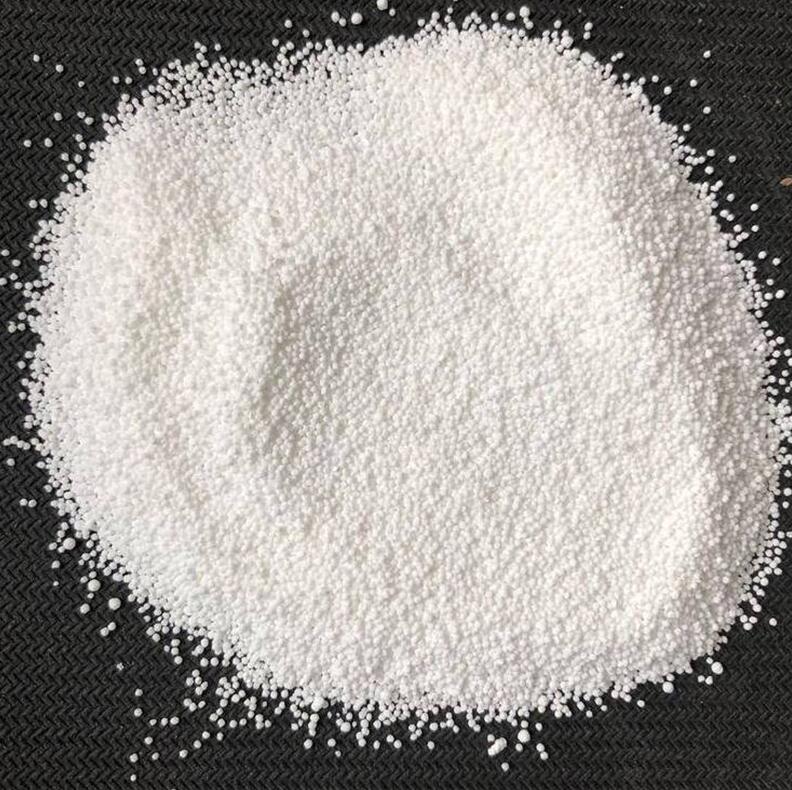
The coating helps reduce the influence of moisture and contact with other formulation components. Actual performance depends on the coating system, packaging, storage conditions, and formulation.
Typical applications include:
-
Laundry detergent powders
-
Automatic dishwasher detergents
-
Oxygen-based cleaning products
-
Industrial and institutional cleaning formulations
When purchasing coated sodium percarbonate, buyers should confirm the active oxygen content, coating characteristics, particle size distribution, and storage requirements.
Uncoated Sodium Percarbonate
Uncoated sodium percarbonate may be considered for formulations or processing systems where the product specification does not require a coated grade.
Its suitability depends on the intended application, formulation conditions, moisture exposure, and required storage stability.
Before purchasing, buyers should verify whether an uncoated product is compatible with the other ingredients and the expected shelf life of the final product.
Important: Coated and uncoated sodium percarbonate should not be treated as interchangeable without checking the formulation requirements and technical specifications.
Sodium Percarbonate Specifications
Active Oxygen Content
Active oxygen is a key quality indicator for sodium percarbonate. It reflects the product's available oxidizing capacity and is commonly included in commercial specifications.
The theoretical active oxygen content of pure sodium percarbonate is approximately 15.3%. Commercial specifications may differ depending on the product composition and applicable standard.
When sourcing sodium percarbonate, buyers should confirm:
-
Active oxygen content
-
Sodium percarbonate content, where specified
-
Moisture content
-
Bulk density, where relevant
-
Particle size distribution
-
Coating status
-
Applicable quality standard

The actual values should be confirmed through the supplier's current specification sheet and Certificate of Analysis (COA). Buyers should not assume that products with the same name have identical performance.
Particle Size and Granule Distribution
Particle size can affect blending uniformity, handling, dust generation, dissolution behavior, and compatibility with detergent production equipment.
The appropriate particle size depends on the intended application:
-
Laundry detergent powder: Particle size should be compatible with the other ingredients to help achieve uniform blending and reduce segregation.
-
Automatic dishwasher detergent: Particle size should suit the formulation and dosing system.
-
Industrial cleaning products: Selection should reflect the mixing process, dissolution requirements, and final product form.
There is no single particle size suitable for every sodium percarbonate application. Buyers should confirm the available particle size distribution and test compatibility with the intended formulation.
Coating and Storage Stability
Sodium percarbonate is sensitive to moisture and can decompose under unsuitable storage conditions. Coating, moisture-resistant packaging, and proper warehouse management can help maintain product quality.
For detergent manufacturers, storage stability should be evaluated together with the complete formulation. Moisture, temperature, incompatible ingredients, and packaging performance can all affect the stability of the finished product.
Sodium Percarbonate Applications
Laundry Detergents
Sodium percarbonate is widely used as an oxygen-based bleaching component in laundry detergent powders. In water, it releases hydrogen peroxide, which contributes to bleaching and stain removal under suitable washing conditions.
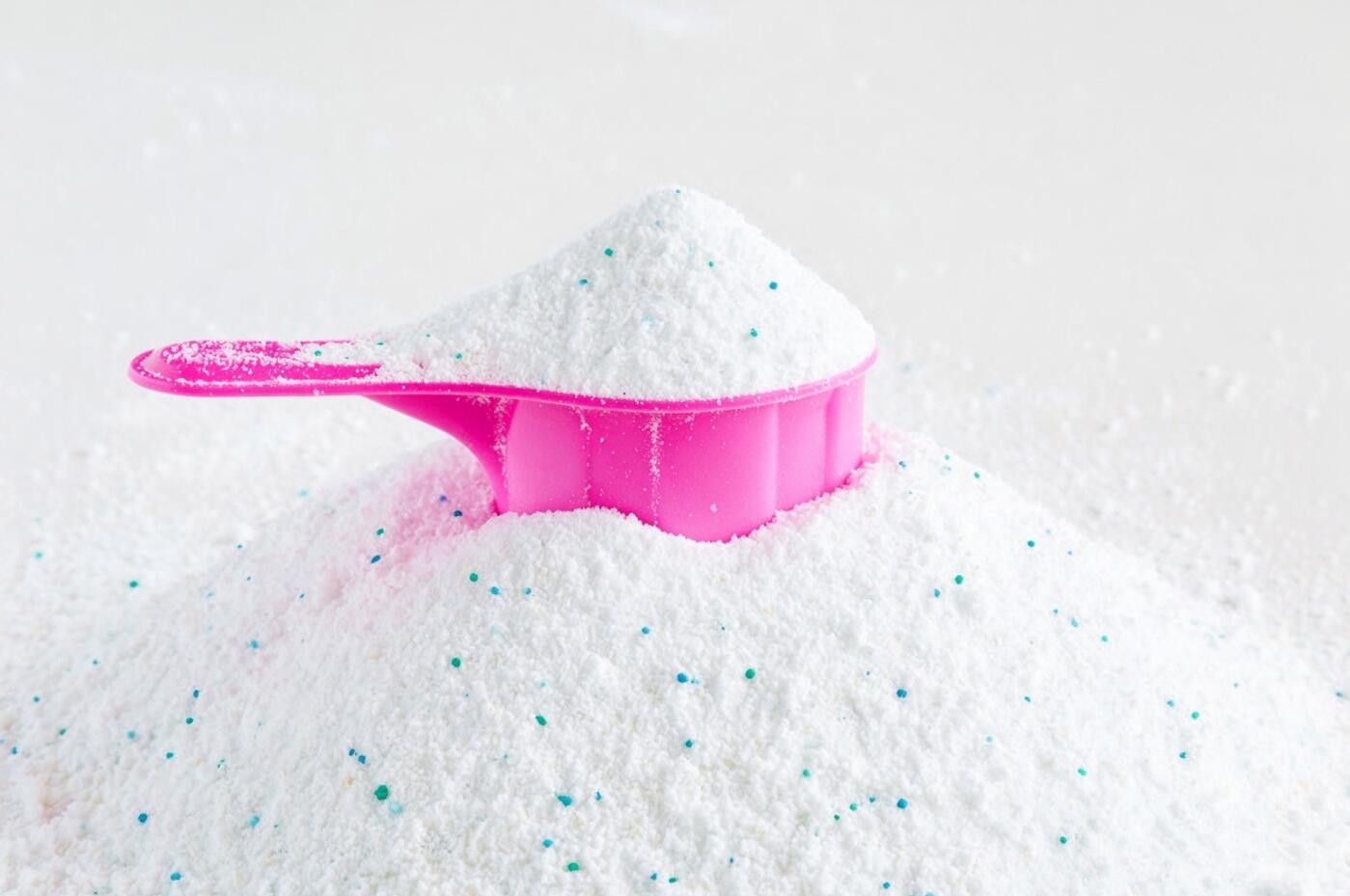
Detergent manufacturers should consider:
-
Active oxygen content
-
Coated or uncoated grade
-
Particle size compatibility
-
Storage stability
-
Compatibility with enzymes, fragrances, and other ingredients
-
Packaging and moisture protection
The final cleaning performance depends on the overall formulation, wash temperature, water conditions, and other formulation components.
Automatic Dishwasher Detergents
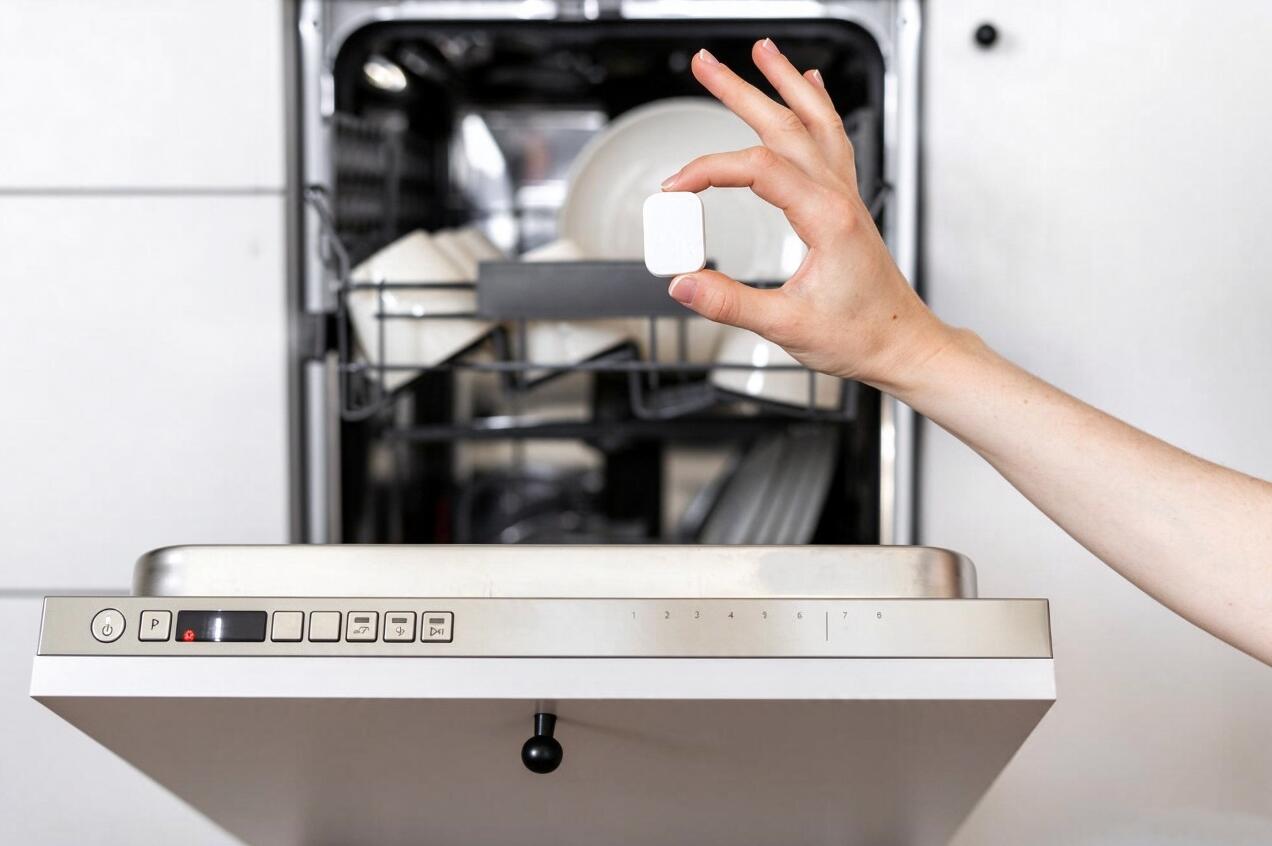
Sodium percarbonate is used in some automatic dishwasher detergent formulations as an oxygen-based bleaching ingredient.
When selecting a product for this application, buyers should assess its stability in the formulation, particle size, moisture sensitivity, and compatibility with other ingredients.
The product specification should match the intended detergent format and production process.
Industrial and Institutional Cleaning
Sodium percarbonate may be incorporated into selected cleaning products for commercial and institutional applications. Its role depends on the product formulation and intended cleaning conditions.
For bulk procurement, buyers should define the required grade, active oxygen content, particle size, packaging, and storage requirements before requesting a quotation.
Textile and Other Processing Applications
Sodium percarbonate may be considered for certain oxygen-based bleaching and cleaning processes, subject to the technical requirements of the application.
Buyers should confirm process compatibility, treatment conditions, and the required product specification with their technical team before selecting a commercial grade.
How to Choose Sodium Percarbonate
Select the Appropriate Grade
First, determine whether the formulation requires coated or uncoated sodium percarbonate. This decision should be based on the product's moisture exposure, storage period, ingredient compatibility, and required shelf life.
Confirm Active Oxygen and Particle Size
Active oxygen content and particle size are important purchasing parameters. The required values should be stated clearly in the purchase specification rather than assumed from a product name.
For detergent production, buyers should also consider blending behavior, segregation risk, and compatibility with the production equipment.