

Sinoright Blog
DMAC: Grades, Uses & Selection Guide
N,N-Dimethylacetamide (DMAC) is a versatile, thermally stable solution widely used in fiber spinning, pharmaceutical synthesis and semiconductor manufacturing. Many purchasers face practical selection questions: Which purity grade meets high-temperature polyurethane fiber spinning requirements? What specifications qualify for semiconductor wafer cleaning processes? How to balance solvent recovery efficiency and procurement cost? Wrong grade selection easily leads to poor fiber quality, unqualified electronic cleanliness and increased side reactions. This article sorts out grade specifications, core properties, industrial applications and selection criteria of DMAC, helping production lines match suitable raw materials efficiently.
Product Overview & Core Properties
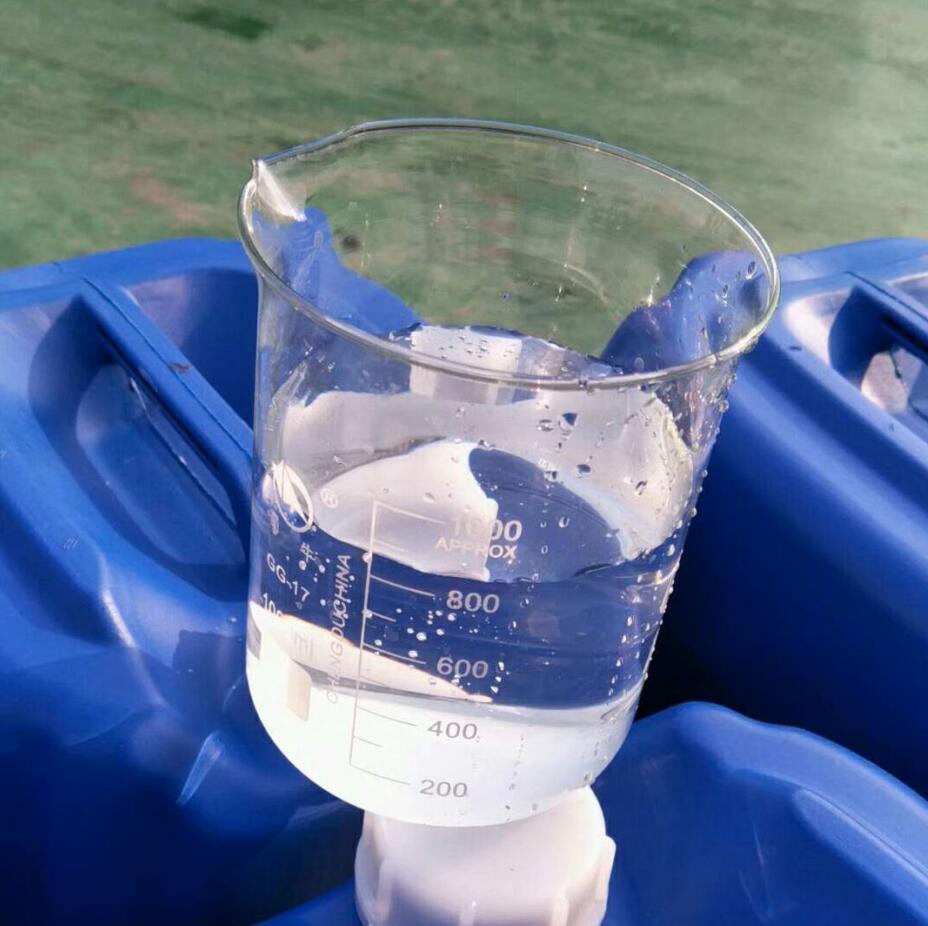
N,N-Dimethylacetamide (CAS 127-19-5), abbreviated as DMAC, is a strong polar aprotic solvent. It appears as a colorless transparent liquid with a faint characteristic odor, miscible with water and most organic solvents. It features high boiling point, excellent thermal and chemical stability, strong dissolving capacity for polymers and organic compounds, and low corrosion to metal equipment. As a universal industrial solvent, it serves both as a reaction medium for organic synthesis and as a processing solvent for polymer manufacturing and electronic cleaning. It is widely applied in chemical fiber, pharmaceutical, electronics, polymer and fine chemical industries.
Grade Classification & Specification Differences
We supply two mainstream commercial grades of DMAC, differentiated by purity, impurity control and metal ion content to adapt to production scenarios of different precision requirements.
- Industrial Grade (≥99.5% purity) Standard mass-produced specification with stable basic performance and outstanding cost performance. Its moisture and impurity indexes meet conventional industrial demands, suitable for bulk use as general processing solvent and universal synthetic reaction medium.
- High Purity Grade (≥99.9% purity) Refined by multi-stage rectification, with ultra-low moisture, low free amine and minimal heavy metal residues. It delivers fewer side reactions and higher process stability, suitable for fine chemical synthesis, pharmaceutical production and high-precision electronic manufacturing with strict quality requirements. For semiconductor and OLED scenarios, we can provide higher specification electronic grade products with metal ions below 1ppb upon request.
Core Industrial Application Scenarios
High-Performance Synthetic Fiber Spinning
DMAC is the core solvent for wet spinning of polyurethane elastic fiber (spandex), polyacrylonitrile fiber and polyimide fiber. It dissolves polymer raw materials uniformly, features stable volatilization rate during spinning, and helps form uniform fiber structure with stable mechanical properties. Industrial grade DMAC fully meets conventional chemical fiber production demands and supports solvent recovery systems for long-term cost control.
Pharmaceutical & Fine Chemical Synthesis
In the pharmaceutical industry, DMAC serves as a reaction solvent for the production of antibiotics, X-ray contrast media and pharmaceutical intermediates. In fine chemical and agrochemical fields, it is used for the synthesis of pesticide active ingredients and organic intermediates. High purity grade is required for this scenario to reduce side reactions, improve product yield and meet drug quality compliance standards.
Electronics & Semiconductor Manufacturing
In semiconductor fabrication, DMAC is used for photoresist stripping and wafer cleaning processes, effectively removing epoxy-based photoresist residues without damaging wafer surfaces. It is also applied in OLED display material preparation and lithium battery electrode processing. High purity electronic grade DMAC with ultra-low metal ions is mandatory for this field to avoid circuit contamination and component failure.
Polymer, Coatings & Extraction
It is an ideal solvent for polyimide resin, polysulfone and other high-performance polymer synthesis and film processing. It also serves as an extraction solvent for styrene separation from C8 fractions, and a co-solvent for high-performance coatings and paint removers. Industrial grade is sufficient for conventional polymer and coating production.
Selection Guide: Matching Grade to Your Production
- For conventional chemical fiber spinning, general polymer synthesis, industrial coating processing and bulk extraction with no strict requirements on metal ions and trace impurities, Industrial Grade is recommended. It balances performance and cost, compatible with solvent recovery systems, suitable for long-term mass procurement.
- For pharmaceutical intermediate synthesis, fine chemical production, semiconductor manufacturing and high-end polymer processing with strict requirements on product purity, metal ion content and reaction yield, High Purity Grade is selected to ensure stable production and high quality finished products.
Storage & Handling Notes
DMAC is hygroscopic and flammable with a medium flash point. It shall be stored in a cool, ventilated warehouse away from fire sources, heat sources and oxidizing agents. Keep the package tightly sealed to prevent moisture absorption and color deepening caused by long-term exposure to air. Handle with care during loading and unloading to avoid packaging leakage and contact with skin and eyes.
Common Purchasing FAQs
Q1: What are the advantages of DMAC compared with DMF? DMAC features better thermal and hydrolysis stability, lower toxicity and lower corrosion to metal equipment than DMF. It is more suitable for high-temperature reaction and spinning processes, with wider application scenarios and better workplace safety.
Q2: Can industrial grade DMAC be used for semiconductor production? It is not recommended. Industrial grade products have high metal ion and impurity content, which will cause circuit contamination and reduce chip yield. Semiconductor processes must use high purity electronic grade DMAC with strictly controlled metal ions.
Q3: Can DMAC be recovered and reused in production? Yes. DMAC has stable properties and can be recycled and purified by distillation in closed-loop production systems, which effectively reduces comprehensive production cost. We can provide supporting technical suggestions for solvent recovery.
Q4: What packaging specifications are available? We support standard 190kg/200kg iron drums and bulk IBC tank packaging, which can be matched according to your production dosage and transportation requirements.