

Sinoright Blog
Potassium Sorbate: Grades, Uses & Selection Guide
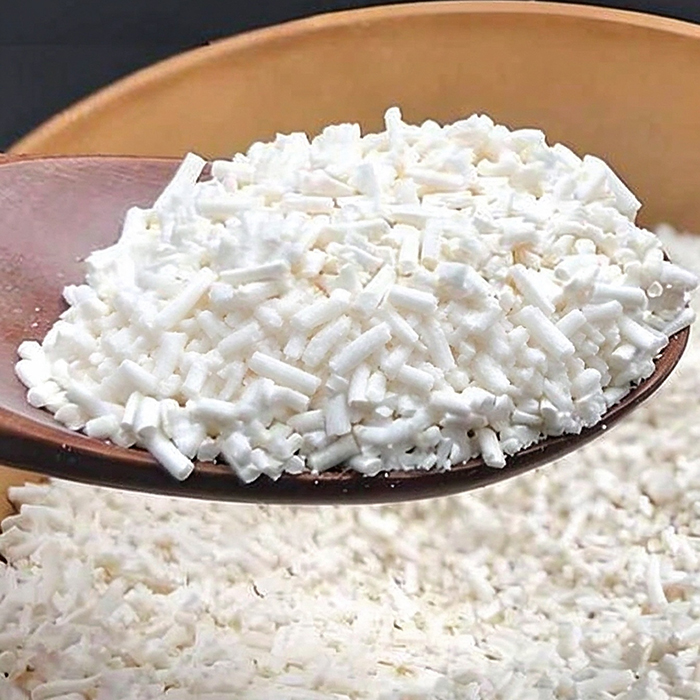
Potassium sorbate (CAS 24634-61-5) is the potassium salt of sorbic acid, appearing as white to off-white crystalline particles or powder with very faint odor. It is highly soluble in water and easily formulated for production. As a classic acidic preservative, it acts primarily by inhibiting microbial dehydrogenase systems, binding to sulfhydryl groups in microbial enzymes to disrupt energy metabolism and block cell proliferation. It exhibits a bacteriostatic rather than bactericidal effect at conventional dosages, and exerts stronger activity under acidic conditions.
Core Mechanism & Performance Characteristics
- Mode of action: Penetrates microbial cell walls in undissociated form, interferes with dehydrogenase and fatty acid synthesis pathways, and inhibits reproduction of molds, yeasts and aerobic bacteria. It is effective against Botulinum, Staphylococcus and Salmonella, but has almost no effect on anaerobic spores and lactobacilli.
- pH dependence: Optimal activity occurs at pH 3.0–6.0; activity declines significantly above pH 6.5. Unlike benzoates, it retains considerable efficacy at pH 5.5–6.0, making it suitable for near-neutral foods such as baked goods, cheese and meat products.
- Thermal stability: Decomposes above 270°C, remaining stable through baking, pasteurization and normal cooking processes.
- Safety: It participates in normal human metabolism and is excreted as carbon dioxide and water, with an ADI of 0–25 mg/kg body weight, recognized as a high-safety food preservative globally.
Grade Classification & Product Forms
We supply two main commercial grades of potassium sorbate, differentiated by purity, impurity control and compliance standards, available in both granular and powder forms to suit different production processes.
- Food Grade (≥99.0% purity) Produced in compliance with food additive standards, with strict control of heavy metals, arsenic and residual impurities. Meets GB 2760, FAO/WHO and major international food safety specifications. It is the mandatory grade for human food, oral care and cosmetic products.
- Feed / Industrial Grade (≥98.0% purity) Meets feed additive and general industrial specifications, with slightly looser impurity limits and cost advantages. It is suitable for animal feed, industrial detergents and other non-food contact scenarios, and is strictly prohibited from use in human food production.
Product Form Differences
- Granular (20–40 mesh) Good flowability, low dust, easy to weigh and feed, anti-caking during storage. Suitable for direct dosing in large-scale food and feed mixing lines.
- Powder (40–80 mesh) Fast dissolution, easy to disperse evenly, suitable for pre-mixed powder formulations, liquid products and spray / dip treatment processes.
Core Industrial Application Scenarios
Food & Beverage Industry (Food Grade Only)
As the largest application sector, potassium sorbate covers almost all acidic and near-acidic food categories, with dosages subject to GB 2760 and regional regulatory limits.
- Bakery & pastry products: Typical dosage 0.3–1.0 g/kg. Added during dough mixing or surface spraying. Stable through baking, extends shelf life of bread, cakes and mooncakes by inhibiting mold growth.
- Pickled vegetables & sauces: Typical dosage 0.5–1.0 g/kg. Effective in soy sauce, pickles, jams and salad dressings. In sauces with pH 4.0–5.5, it provides better and more stable preservation than sodium benzoate without off-flavors.
- Meat, seafood & dairy: Typical dosage 0.075–1.0 g/kg. Used in cured meat, sausage, cheese and seafood products to inhibit mold and spoilage bacteria, extending chilled shelf life.
- Beverages: Typical dosage 0.2–0.5 g/kg. Used in fruit juice, carbonated drinks and functional beverages. Suitable for near-neutral juice products where benzoates perform poorly.

Feed & Animal Nutrition (Feed Grade Only)
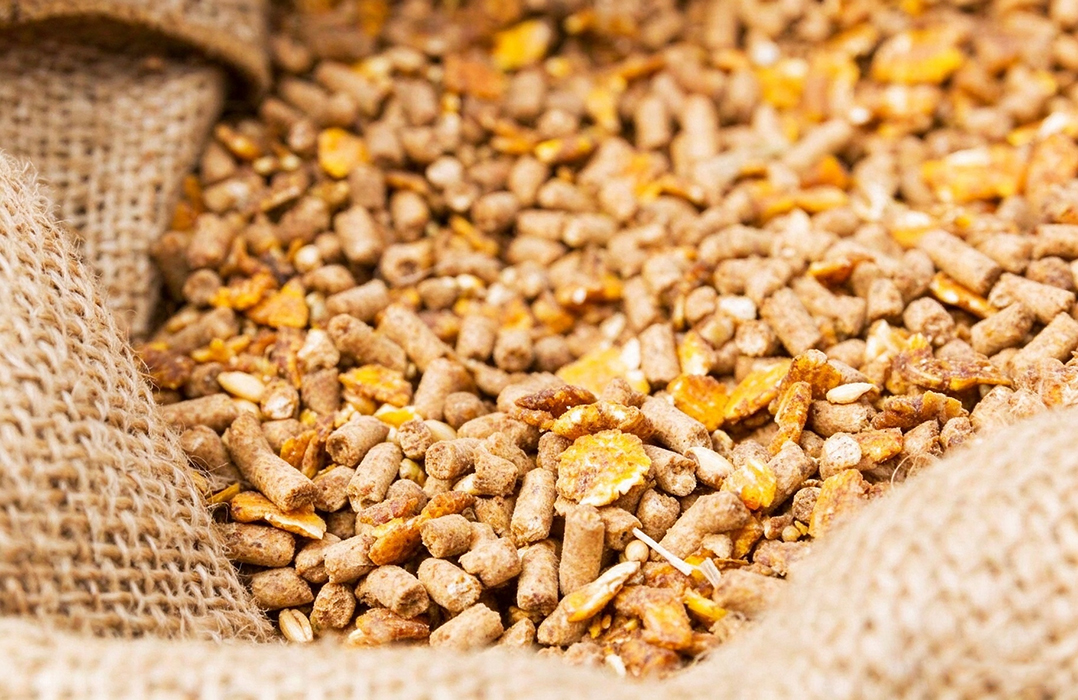
Added to compound feed, silage and pet food to inhibit mold and yeast growth, prevent feed spoilage and mycotoxin production. Typical dosage 0.5–2.0 kg per ton of feed, effectively extending feed storage time and improving feed palatability. Granular grade is preferred for large-scale feed mixing lines.
Cosmetics & Daily Chemicals
Used as a preservative in lotions, shampoos, toothpaste and liquid detergents. Food grade is recommended for skin-contact and oral care products to ensure safety. It works well in pH 4.0–6.5 cosmetic formulations, with low irritation and good compatibility with surfactants.

Other Industrial Uses
Applied in tobacco, rubber and coating industries as an auxiliary preservative and stabilizer. Industrial grade is sufficient for these non-food scenarios.

Factors Affecting Efficacy & Synergistic Compounding Strategies
Preservation performance depends not only on grade and dosage, but also on system conditions and compounding design. Optimized compounding can reduce dosage and improve shelf life.
Key Influencing Factors
- System pH: The most critical factor. Keep pH below 6.0 for optimal effect. For near-neutral products, combine with acidulants such as citric acid or lactic acid to lower pH and enhance sorbate activity.
- Processing temperature: Stable under normal cooking and pasteurization conditions. Avoid prolonged exposure above 250°C to prevent decomposition.
- Water activity: Lower water activity reduces microbial growth and works synergistically with potassium sorbate.
Common Synergistic Compounding Schemes
- Potassium sorbate + citric acid / lactic acid: Lower system pH to increase the proportion of undissociated sorbic acid, significantly enhancing antimicrobial effect. Widely used in beverages, sauces and pickled products.
- Potassium sorbate + nisin: Expands antibacterial spectrum, especially against Gram-positive bacteria. Used in meat and dairy products to reduce overall preservative dosage.
- Potassium sorbate + natamycin: Enhances antifungal effect, suitable for high-moisture baked goods and cheese with severe mold risks.
Selection Guide: Matching Grade & Form to Production
- For human food, oral care and cosmetic products with strict safety and impurity requirements, select Food Grade. Choose granular form for large-scale mixing lines and powder form for liquid products and fine formulations.
- For animal feed, industrial detergents and non-food auxiliary scenarios, select Feed / Industrial Grade for cost efficiency. Granular grade is recommended for bulk feed processing.
- For products with pH above 5.5, prioritize potassium sorbate over sodium benzoate, and consider compounding with acidulants to optimize efficacy.
Storage & Handling Notes
Store in a cool, dry, well-ventilated warehouse, sealed and away from direct sunlight and strong oxidizers. Keep away from strong acids in concentrated form to avoid free sorbic acid precipitation. Granular products have better storage stability and are less prone to caking than powder products. Handle with proper ventilation and avoid prolonged skin contact.
Common Purchasing FAQs
Q1: Why choose potassium sorbate over sodium benzoate? Potassium sorbate has a wider effective pH range, retains good activity at pH 5.0–6.0, and has no off-flavor at normal dosages. It is also safer and more compatible with most food systems. Sodium benzoate performs better only at pH below 4.5 and may produce taste issues in some products.
Q2: Can feed grade potassium sorbate be used in food production? No. Feed grade has looser impurity and heavy metal limits that do not meet food safety standards. Use in food will cause non-compliance with food additive regulations and safety risks. Food production must use certified food grade.
Q3: What is the typical dosage in baked goods? Generally 0.3–0.5 g/kg for most bakery products, up to 1.0 g/kg maximum according to GB 2760. It can be added to dough or sprayed on the surface after baking for better surface mold control.
Q4: Does potassium sorbate kill bacteria or just inhibit growth? At typical use concentrations, it is primarily bacteriostatic and fungistatic, inhibiting reproduction rather than killing established microbial populations. Higher concentrations or synergistic compounding can achieve stronger lethal effects.