

Sinoright Blog
Sodium Benzoate: Grades, Uses & Selection Guide
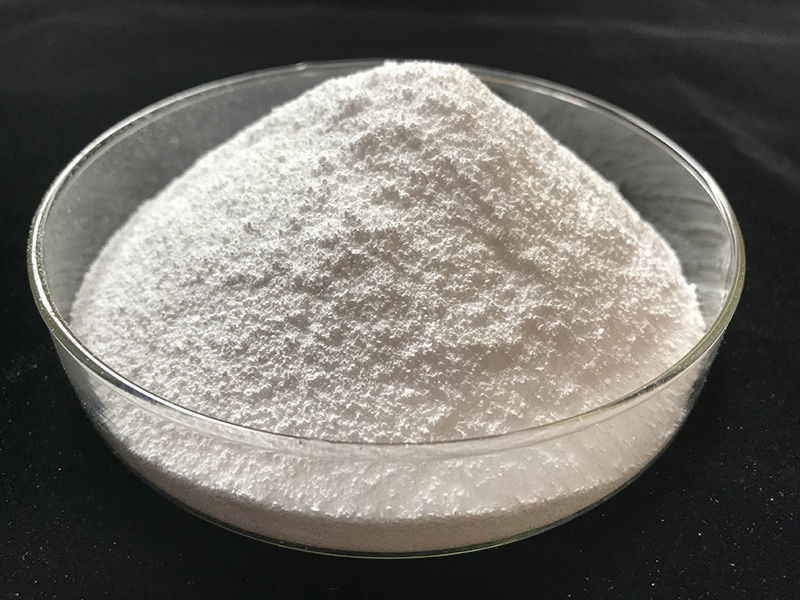
Sodium benzoate (CAS 532-32-1) is the sodium salt of benzoic acid, appearing as white crystalline powder or granules with a faint benzaldehyde-like odor. It is highly soluble in water and easy to incorporate into aqueous systems. As a classic acidic preservative, its antimicrobial activity comes from undissociated benzoic acid molecules formed under acidic conditions, rather than the sodium salt itself.
Core Preservation Mechanism
- Cell penetration: Undissociated benzoic acid is lipophilic and freely penetrates microbial cell walls. Once inside the cell, it dissociates and releases protons, acidifying the intracellular environment.
- Metabolic disruption: To maintain internal pH homeostasis, microbial cells must expend large amounts of energy to pump out excess protons via ATP-driven proton pumps. This energy depletion inhibits nutrient uptake, glycolysis and cell reproduction, effectively suppressing the growth of yeasts, molds and acid-tolerant bacteria.
- pH dependence: Optimal activity occurs at pH 2.5–4.5. Activity drops sharply above pH 5.0, and is almost negligible above pH 6.0. This is because higher pH reduces the proportion of undissociated benzoic acid, which is the active form.
- Antimicrobial spectrum: Highly effective against yeasts (Saccharomyces, Candida) and acid-tolerant molds; moderate activity against Gram-negative bacteria such as E. coli and Salmonella; limited effect on Gram-positive bacteria and spores.
Grade Classification & Product Forms
We supply two main commercial grades of sodium benzoate, differentiated by purity, impurity control and compliance standards, available in granular and powder forms to suit different production processes.
- Food Grade (≥99.0% purity) Produced in compliance with food additive standards (GB 2760, FAO/WHO, FCC), with strict control of heavy metals, arsenic, chlorides and residual impurities. Meets global food safety specifications and is mandatory for human food, beverage, oral care and cosmetic products.
- Industrial Grade (≥98.5% purity) Meets general industrial and feed additive specifications, with slightly looser impurity limits and significant cost advantages. Suitable for animal feed, industrial detergents, water treatment and other non-food contact scenarios, strictly prohibited for human food production.
Product Form Differences
- Granular (20–40 mesh) Good flowability, low dust, easy to weigh and feed, anti-caking during storage. Suitable for large-scale food, beverage and feed mixing lines with automatic dosing systems.
- Powder (40–80 mesh) Fast dissolution, easy to disperse evenly, suitable for liquid products, pre-mixed formulations and spray treatment processes.
Core Industrial Application Scenarios
Food & Beverage Industry (Food Grade Only)
The largest application sector, with dosages subject to GB 2760 and regional regulatory limits.
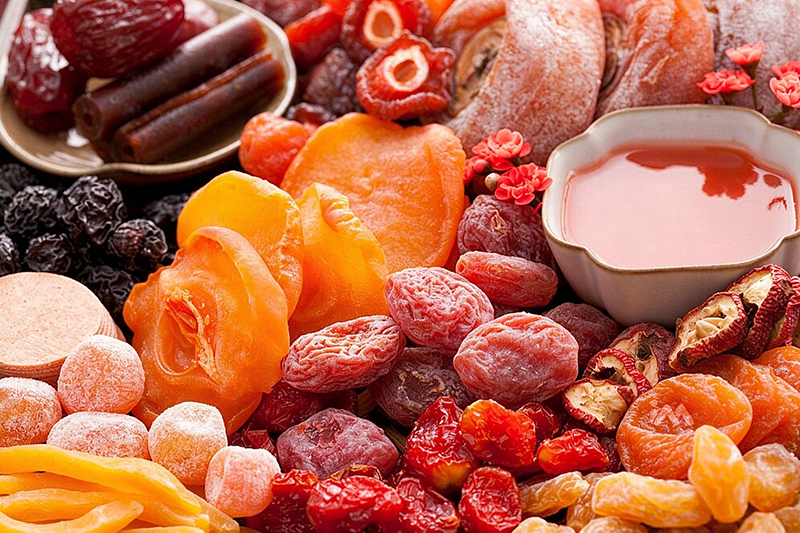
- Carbonated drinks & fruit juices: Typical dosage 0.1–0.2 g/kg. The gold standard preservative for acidic beverages. Highly effective against yeast spoilage and fermentation in pH 2.5–4.5 systems, with low cost and stable performance.
- Sauces, pickles & condiments: Typical dosage 0.5–1.0 g/kg. Used in soy sauce, vinegar, pickled vegetables, jams and salad dressings. In high-acid condiment systems, it provides long-term preservation against mold and yeast spoilage.
- Fruit preserves & confectionery: Typical dosage 0.2–0.5 g/kg. Used in jams, jellies, fruit pastes and low-pH candies to prevent fermentation and mold growth during storage.
Feed & Animal Nutrition (Industrial Grade)
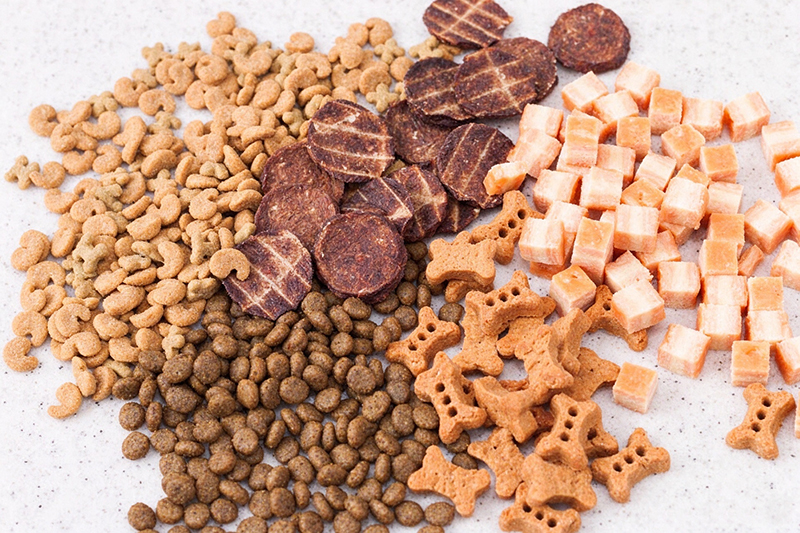
Added to compound feed, silage and pet food to inhibit yeast and mold growth, prevent feed spoilage and mycotoxin production. Typical dosage 0.5–1.5 kg per ton of feed. Granular grade is preferred for large-scale feed mixing lines for its good flowability.
Cosmetics & Daily Chemicals
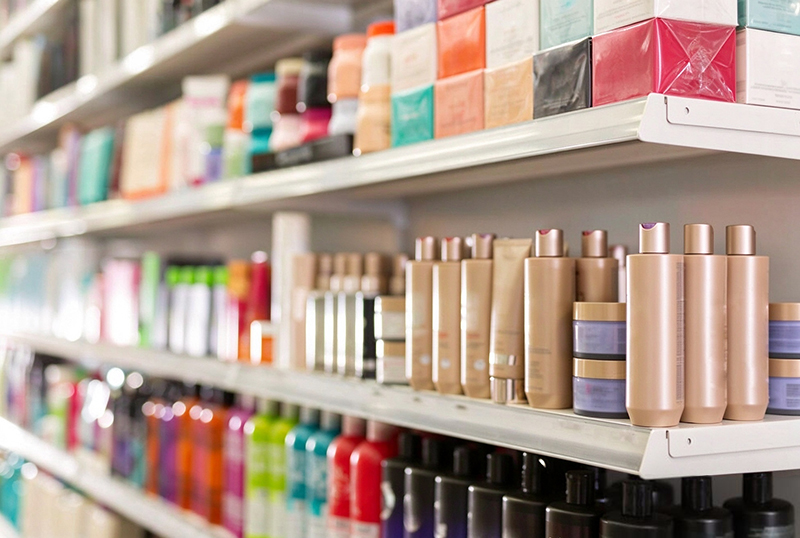
Used as a preservative in shampoos, liquid soaps, lotions and household cleaners. Food grade is recommended for skin-contact and oral care products to ensure safety. Works optimally in pH 3.0–5.0 formulations, compatible with most surfactant systems.
Other Industrial Uses
Applied in water treatment, paper coating and rubber industries as an auxiliary preservative and corrosion inhibitor. Industrial grade is sufficient for these non-food scenarios.
Hot Questions Answers
Q1: Is sodium benzoate carcinogenic? Is long-term consumption safe?
Conclusion: Sodium benzoate is not classified as a carcinogen by any authoritative regulatory body when used within approved limits.
- The Joint FAO/WHO Expert Committee on Food Additives (JECFA), U.S. FDA and EFSA have all evaluated sodium benzoate as safe for human consumption within the ADI of 0–5 mg/kg body weight.
- It is metabolized in the human liver by conjugation with glycine, forming hippuric acid which is excreted in urine within 24 hours. It does not accumulate in the body under normal intake.
- The claim that “sodium benzoate is a carcinogen” usually stems from confusion with benzene. Sodium benzoate itself is not carcinogenic.
Q2: Does sodium benzoate react with vitamin C to form benzene?
Conclusion: Benzene formation is possible only under very specific extreme conditions; it is negligible in normal food systems.
- In theory, benzoic acid can undergo decarboxylation with ascorbic acid (vitamin C) under high temperature, UV radiation or transition metal catalysis to form trace amounts of benzene.
- However, in standard food products with normal pH, temperature and storage conditions, the reaction rate is extremely low, and benzene levels are far below the safety limits set by WHO and national regulatory authorities.
- Modern food production strictly controls raw material ratios, processing conditions and packaging to minimize this risk. Products complying with national standards do not pose a health hazard.
Q3: Sodium benzoate vs potassium sorbate: which is better?
There is no universal “better” option; they differ in mechanism, pH range and application scenarios:
| Item | Sodium Benzoate | Potassium Sorbate |
| Optimal pH | 2.5–4.5, best for strong acid systems | 3.0–6.0, wider pH range |
| Antimicrobial spectrum | Yeasts, molds, acid-tolerant bacteria | Yeasts, molds, broader bacterial spectrum |
| Thermal stability | Stable below 120°C; decomposes above 150°C | Stable up to 270°C; better for high-temperature processing |
| Cost | Lower, high cost performance | Higher, about 2–3 times the price of sodium benzoate |
| Best for | Carbonated drinks, vinegar, high-acid condiments | Baked goods, meat, near-neutral foods, cheese |
Selection principle: For high-acid products (pH < 4.5), sodium benzoate is more cost-effective; for near-neutral products (pH 4.5–6.0) or high-temperature processed products, potassium sorbate is more effective. For complex systems, a 1:1 combination can expand the antimicrobial spectrum and reduce overall dosage.
Q4: How to improve the preservation effect of sodium benzoate?
- Lower system pH: Adjust pH to 2.5–4.5 with citric acid, lactic acid or phosphoric acid to increase the proportion of undissociated benzoic acid and significantly enhance activity.
- Combined with other preservatives: Compound with potassium sorbate, nisin or natamycin to expand antimicrobial spectrum and reduce single preservative dosage.
- Control processing temperature: Avoid prolonged high-temperature heating above 150°C to prevent decomposition and benzoic acid sublimation.
Selection Guide: Matching Grade & Form to Production
- For human food, beverages, oral care and cosmetic products with strict safety requirements, select Food Grade. Choose granular form for large-scale automated mixing lines and powder form for liquid products and fine formulations.
- For animal feed, industrial detergents, water treatment and non-food auxiliary scenarios, select Industrial Grade for cost efficiency. Granular grade is recommended for bulk feed processing.
- For products with pH below 4.5, sodium benzoate is the preferred cost-effective preservative. For products with pH above 4.5, consider potassium sorbate or compound solutions.
Storage & Handling Notes
Store in a cool, dry, well-ventilated warehouse, sealed and away from direct sunlight and strong oxidizers. Keep away from strong acids and high-temperature environments to prevent decomposition and benzoic acid sublimation. Granular products have better storage stability and are less prone to caking than powder products. Handle with proper ventilation and avoid prolonged skin contact.
Common Purchasing FAQs
Q1: What is the maximum allowed dosage in beverages?
According to GB 2760, the maximum usage in carbonated drinks is 0.2 g/kg, and in fruit juice drinks is 0.3 g/kg. Dosage should be adjusted according to product pH and regulatory requirements.
Q2: Can industrial grade sodium benzoate be used in food production?
No. Industrial grade has looser impurity and heavy metal limits that do not meet food safety standards. Use in food will cause non-compliance with food additive regulations and safety risks. Food production must use certified food grade.
Q3: Does sodium benzoate work in neutral products?
Very poorly. Above pH 6.0, almost no undissociated benzoic acid is formed, so preservative activity is negligible. It is not recommended for neutral products such as milk, plain water and neutral protein drinks.
Q4: What packaging specifications are available?
We support standard 25kg bags, 500kg big bags and customized packaging, which can be matched according to your production dosage and transportation requirements.